

The 1099 Survival Guide: Navigating Contractor Payments Without Losing Your Mind
If the words “contractor payments” and “1099s” make your eye twitch just a little—you’re not alone. This is one of those necessary evils of running a business that feels way more complicated than it needs to be. Miss a deadline, mess up a detail, or forget a form altogether, and suddenly you’re on the IRS’s radar (spoiler alert: that’s not where you want to be).
The good news? 1099s don’t have to be scary, confusing, or soul-sucking. With a bit of clarity, the right systems, you can handle contractor payments confidently, stay compliant, and head into tax season without the panic spiral. Let’s break it down in plain English.
Understanding 1099 Forms (Without the Accounting Jargon)
Before we talk deadlines and paperwork, let’s get clear on what a 1099 actually is and why it matters to your business.
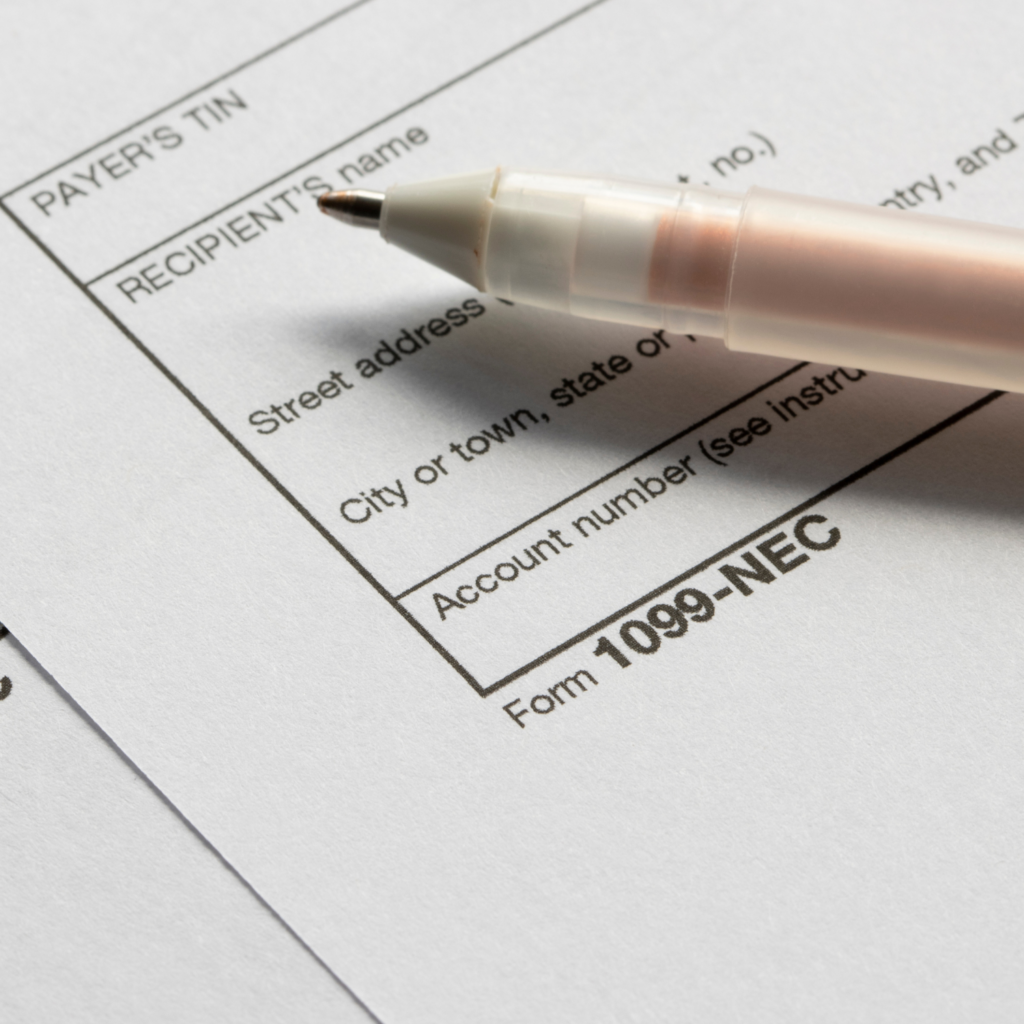
What Is a 1099 Form, Really?
A 1099 form is how you tell the IRS, “Hey, I paid this person money, and it wasn’t as an employee.” Independent contractors—think freelancers, consultants, virtual assistants, and other non-employees—use 1099s to report the income they earned from you.
If you’re the business owner, issuing a 1099 isn’t optional. It’s your responsibility to report those payments, and you must send the form to both the contractor and the IRS by January 31st of the following year. Miss that date, and penalties can start stacking up faster than unread emails.
Why 1099s Actually Matter
Beyond just “because the IRS says so,” 1099s serve a real purpose. They help ensure income is reported accurately on both sides and play a key role in calculating self-employment taxes for contractors.
When 1099s are done correctly, they protect your business from audits, fines, and uncomfortable letters in the mail. When they’re done incorrectly—or ignored altogether—they can create compliance issues that no amount of crossed fingers will fix.

The Different Types of 1099s (Yes, There’s More Than One)
Not all 1099s are created equal. The most common forms you’ll see include:
- 1099-NEC: Used for non-employee compensation (aka most contractor payments over $600).
- 1099-MISC: Used for other types of payments like rent, prizes, or legal settlements.
Using the wrong form is one of the easiest mistakes to make—and one of the easiest to avoid when you know what you’re looking at.
Issuing and Receiving 1099s: What You Actually Need to Know
Once you understand the basics, the next step is figuring out whether you need to issue a 1099 and what information you’ll need to do it properly.

Who’s Responsible for Issuing a 1099?
If your business paid an independent contractor $600 or more during the year, congratulations—you’ve got a 1099 to issue. This applies to payments made to freelancers, service providers, landlords, and even lawyers.
Many business owners assume LLCs are exempt, but that’s not always the case. Depending on how the contractor is structured and taxed, a 1099 may still be required. When in doubt, this is where professional guidance pays for itself.
The Info You Need (And Why a W-9 Is Your Best Friend)
To complete a 1099 accurately, you’ll need:
- The contractor’s legal name
- Their current address
- Their Taxpayer Identification Number (TIN)
The easiest way to collect this information is by requesting a W-9 form before you pay them. Waiting until January to track down missing details is a recipe for stress—and awkward follow-up emails.

Deadlines, Penalties, and Why Procrastination Is Expensive
It’s mentioned above but bears repeating: January 31st is the non-negotiable deadline for issuing 1099s. Miss it, and penalties can apply based on how late the forms are filed. The longer you wait, the more it can cost you.
Staying ahead of these deadlines isn’t about being perfect—it’s about being prepared. Tools like a tax calendar (yes, we have one ????) can make a huge difference in keeping you organized and penalty-free.
Where CORE Financial Pros Comes In
If 1099s feel like one more thing on an already-too-long business to-do list, you’re not failing—you’re just running a business. Contractor payments, compliance, and deadlines are exactly where systems (and support) matter most.
At CORE Financial Pros, we help business owners get their financial operations organized before tax season hits. From setting up clean contractor workflows to making sure your books actually support compliance, we take the guesswork (and the burnout) out of the process.
Because running a successful business shouldn’t mean lying awake at night wondering if you forgot to file a form. And with the right financial foundation? It doesn’t have to.
Helpful Resources
Looking to do things more on your own? We’ve got you covered with helpful, indepth resources! Click the images to access each resource.


What Is A 1099: Basically what we have here in the blog, but it’s yours to keep! With step-by-step process on paying a 1099 contractor, different payment types like Stripe or PayPal and how they impact how you file.
Tax Due Dates & Calendar: You want a printable calendar to see every day? We got you. More of a digital person? We’ve also added a Google calendar link in this resource so every time you check your calendar, you’ll be able to see if there’s an upcoming deadline
Ready to stop stressing about the numbers and start feeling confident in them? You know where to find us.